
Choosing a pair of spectacles involves more than selecting a frame that looks good. The lenses are the part of your glasses that directly determine how your prescription is corrected and how comfortably you use your spectacles throughout the day. Whether you wear glasses occasionally, spend long hours working on a computer, drive regularly, or need them for reading, choosing suitable spectacle lenses can make a meaningful difference to your everyday experience.
However, buying lenses can become confusing. Optical stores offer several options, including single vision, bifocal, progressive, anti-reflective and different lens materials. Each option serves a different purpose, and the most expensive lens is not automatically the right choice for everyone.
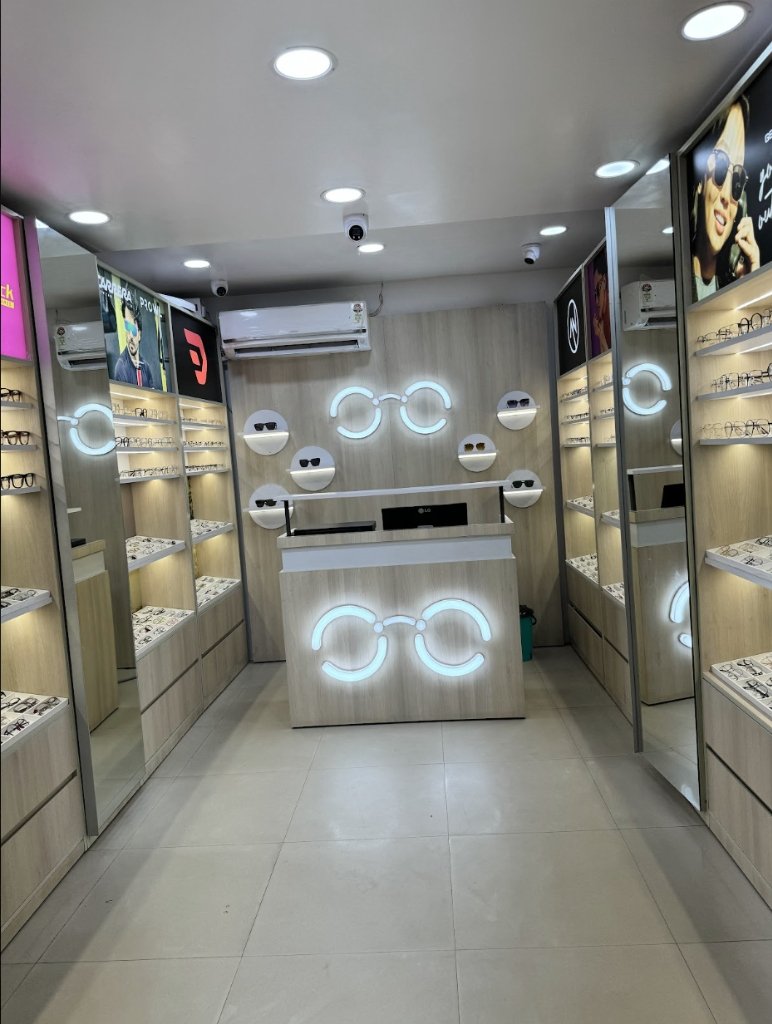
If you are searching for spectacle lenses in Patna, understanding these differences before visiting an optical store can help you make a more informed decision. At Chashma, Nala Road, customers can explore eyewear options and discuss their requirements before choosing a suitable pair.
This guide explains the main types of spectacle lenses, the factors worth checking before buying, and the questions you should ask when selecting your next pair of glasses.
1. Start With Your Prescription
Your prescription should be the starting point when choosing spectacle lenses. It contains measurements that help determine the correction required for your vision.
A typical prescription may include:
- SPH (Sphere): Indicates the degree of short-sightedness or long-sightedness.
- CYL (Cylinder): Indicates the amount of astigmatism correction required.
- AXIS: Specifies the orientation of the astigmatism correction.
- ADD: Indicates additional near-vision power when prescribed.
- PD (Pupillary Distance): Measures the distance between the centres of your pupils and helps position the lenses correctly.
Not every prescription contains all these values. Your requirements depend on your individual prescription and the type of lenses recommended for you.
Before placing an order, check that the prescription details are entered correctly. Even a well-designed frame cannot compensate for incorrect lens measurements.
If your prescription is old, your vision has changed, or you are experiencing discomfort, consult a qualified eye-care professional about whether a fresh eye examination is needed.
2. Understand the Different Types of Spectacle Lenses
There is no single lens type that suits every spectacle wearer. The right choice depends on your prescription, age, daily activities and visual requirements.
Single Vision Lenses
Single vision lenses have one consistent prescription across the lens. They are commonly used to correct distance vision, near vision or other specific visual requirements.
For example, someone who needs glasses to see distant objects clearly may be prescribed distance single vision lenses. Someone who requires correction for reading may need near-vision lenses.
These lenses are generally straightforward to understand and are available in different materials and coatings.
Bifocal Lenses
Bifocal lenses contain two distinct vision zones. One section is designed for distance vision, while another is designed for near vision.
They may be prescribed for people who need correction for both distance and close-up activities. The visible dividing line between the two zones is a characteristic feature of traditional bifocal lenses.
Progressive Lenses
Progressive lenses provide multiple vision powers within one lens, with a gradual transition between distance, intermediate and near vision.
They are often considered by people who need correction for different viewing distances and prefer not to switch between separate pairs of spectacles.
However, progressive lenses require accurate measurements and appropriate frame fitting. The wearer may also need an adjustment period while getting accustomed to the different viewing zones.
Computer or Occupational Lenses
People who spend long periods working at desks may have specific intermediate and near-vision requirements. Occupational lenses are designed around particular working distances and activities.
They are not necessarily a replacement for general-purpose distance spectacles. The correct option depends on your prescription and how you use your glasses.
3. Does Lens Material Matter?
Yes. Lens material can influence weight, thickness, durability and optical characteristics.
Some common options include:
- Plastic lenses: These are widely used and offer a practical balance of weight and everyday usability.
- Polycarbonate lenses: These are known for impact resistance and are commonly considered for children's eyewear and certain active-use requirements.
- High-index lenses: These materials can help reduce lens thickness for some higher prescriptions. The actual result depends on the prescription, frame size and lens design.
- Trivex lenses: These are another lightweight lens material option, with impact-resistance characteristics.
The best material is not determined by prescription power alone. Frame dimensions, intended use, budget and the lens manufacturer's specifications should also be considered.
For example, someone with a higher prescription may want to compare lens thickness across different materials before selecting a frame. A smaller frame may also influence the final lens thickness.
4. What Are Anti-Reflective Lens Coatings?
Anti-reflective coatings are designed to reduce reflections from the surfaces of spectacle lenses. They can make lenses appear clearer by reducing distracting reflections, particularly in situations involving artificial lighting or screens.
They may be useful for people who:
- Work under bright office lighting.
- Frequently use computers and digital devices.
- Drive at night and experience distracting reflections.
- Prefer a less reflective appearance in photographs and video calls.
It is important to understand that anti-reflective coatings and blue-light filtering are not the same thing. They serve different purposes and should not be treated as interchangeable features.
Ask which coating is included in the lens and what the manufacturer's specifications say. Avoid choosing a coating based only on a marketing label.
5. Do You Need Blue-Light Filtering Lenses?
Blue-light filtering lenses are marketed for people who spend considerable time using digital devices. However, they are not a universal solution for digital eye discomfort.
Screen-related discomfort can have several causes, including prolonged close-up work, reduced blinking, poor lighting, glare, unsuitable viewing distance and an uncorrected prescription.
Before paying extra for a particular lens feature, consider your actual problem. If you experience frequent headaches, blurred vision or eye discomfort, an eye-care professional can help assess possible causes.
Simple habits may also help:
- Take regular breaks from prolonged screen work.
- Keep the screen at a comfortable viewing distance.
- Adjust brightness according to the surrounding light.
- Avoid working with excessive glare.
- Remember to blink regularly.
Choose a lens feature because it meets a specific requirement, not simply because it is advertised as essential.
6. Why Frame Selection and Lens Selection Should Go Together
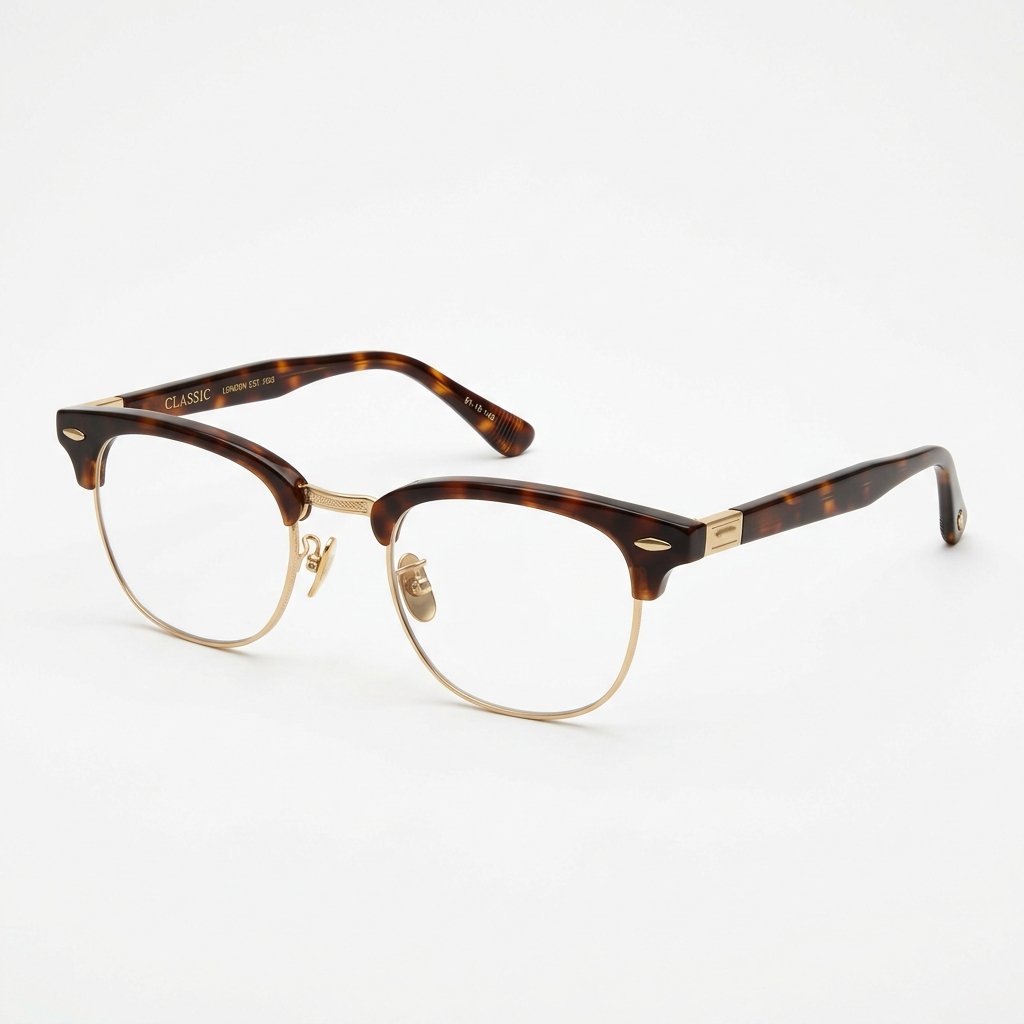
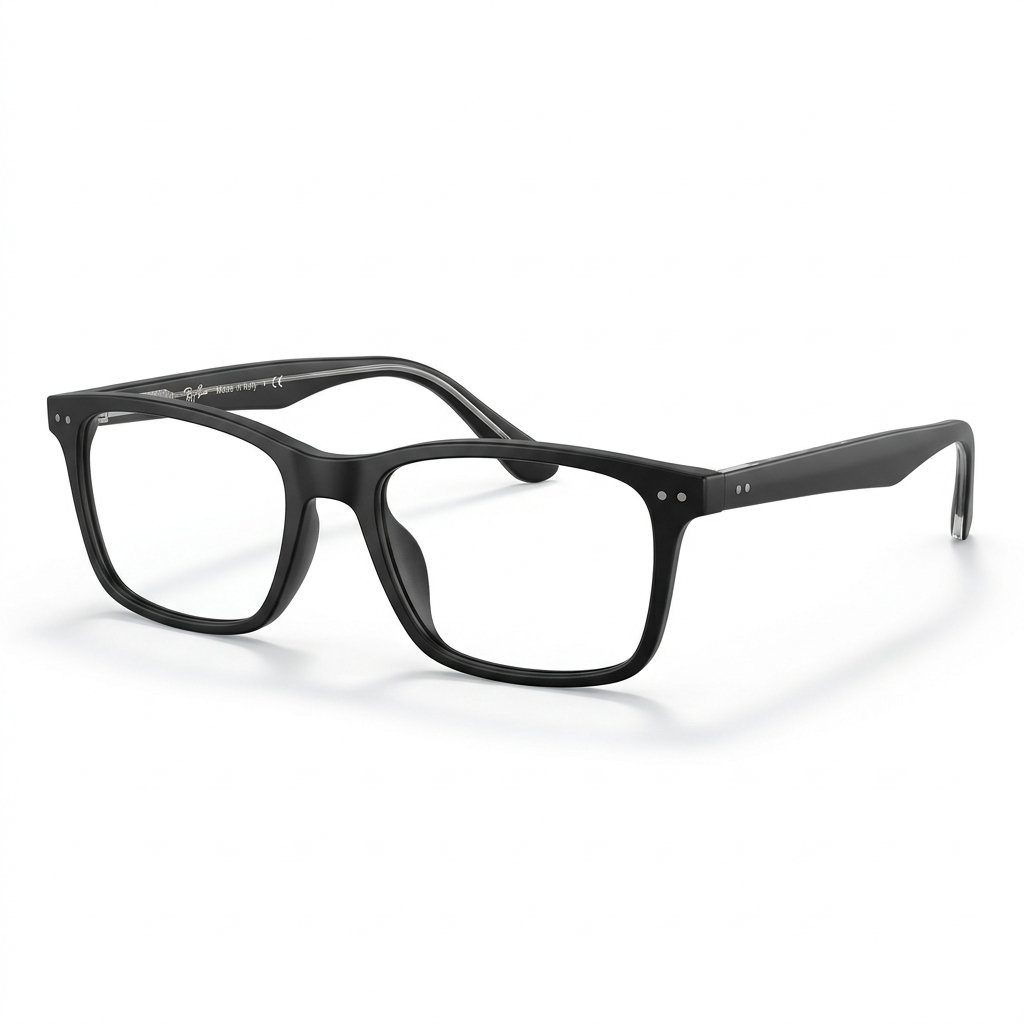
A common mistake is choosing a frame first and considering the lenses later. In reality, the two decisions are connected.
Frame size, shape, lens height and fitting position can influence how the finished spectacles perform and feel.
For people with higher prescriptions, frame dimensions can affect the thickness and weight of the finished lenses. Progressive lenses also require suitable fitting measurements and enough usable lens area for their viewing zones.
Before finalising your frame, consider:
- Whether the frame is suitable for your prescription.
- Whether the lens design can fit properly.
- Whether the frame sits comfortably on your nose.
- Whether the temples fit without excessive pressure.
- Whether the frame remains stable when you move your head.
A frame that looks attractive but fits poorly can become uncomfortable during extended use.
7. What Should You Check Before Buying Spectacle Lenses?
When comparing lenses at an optical store in Patna, do not focus only on the price. Ask for clear information about what you are purchasing.
Here is a practical checklist:
- Prescription compatibility: Confirm that the lens option is suitable for your current prescription.
- Lens material: Understand the differences in thickness, weight and durability.
- Coatings: Ask which coatings are included and what they are designed to do.
- Lens manufacturer: Check the brand and product specifications.
- Measurements: Confirm that the required fitting and centration measurements will be taken.
- Warranty: Ask whether the product includes a manufacturer's warranty and what it covers.
- After-sales support: Understand the store's process if the spectacles require adjustment.
Do not assume that every lens sold under a similar category has identical specifications. Compare the actual product details.
8. Where Can You Explore Spectacle Lenses Near Nala Road, Patna?
If you are looking for an optical store near Nala Road, Chashma has an outlet at:
Chashma, RK Avenue / Nala Road, Patna
Address: RK Avenue, opposite Kolkata Bazar, Langar Toli, Dujra Diara, Patna, Bihar 800004.
Contact: +91 80513 33777 / 080 6290 5784
Google Maps: 📍 Get Directions on Google Maps
You can visit the store to explore eyewear options and discuss your requirements. Carry your latest prescription if you already have one.
For more information, visit www.chashma.co or follow Instagram at @official.chashma.
Frequently Asked Questions
Which spectacle lenses are best for everyday use?
The right lenses depend on your prescription and daily activities. Single vision lenses are commonly used for distance or near correction, while other lens designs may be suitable for people who need correction at multiple distances.
Are high-index lenses worth considering?
They may be worth comparing if you have a higher prescription and want to reduce lens thickness. The final result depends on your prescription, frame size and lens design.
What is the difference between anti-reflective and blue-light filtering lenses?
Anti-reflective coatings reduce reflections from lens surfaces. Blue-light filtering lenses are designed to filter some wavelengths of blue light. They are different features.
Should I choose my frame before my lenses?
It is better to consider both together. Your prescription and lens design can influence which frame dimensions and styles are suitable.
Where can I buy prescription glasses near Nala Road, Patna?
You can visit Chashma at RK Avenue, opposite Kolkata Bazar, Langar Toli, Dujra Diara, Patna, Bihar 800004.
Conclusion
Choosing spectacle lenses should begin with your prescription, not a promotional label or the highest-priced option. Understanding lens types, materials, coatings and fitting requirements can help you compare products more confidently.
If you are searching for spectacle lenses in Patna, visit Chashma's Nala Road outlet to explore available eyewear options and discuss your requirements.